
Introduction
Ensuring a healthy indoor atmosphere is crucial for overall well-being. With rising concerns over air pollution, an air purifier with an air quality monitor becomes an essential addition to modern homes. These devices provide not only purification but also continuous insights into your home’s air quality. In this article, we’ll explore their workings, advantages, and how to select the perfect unit for your smart home.
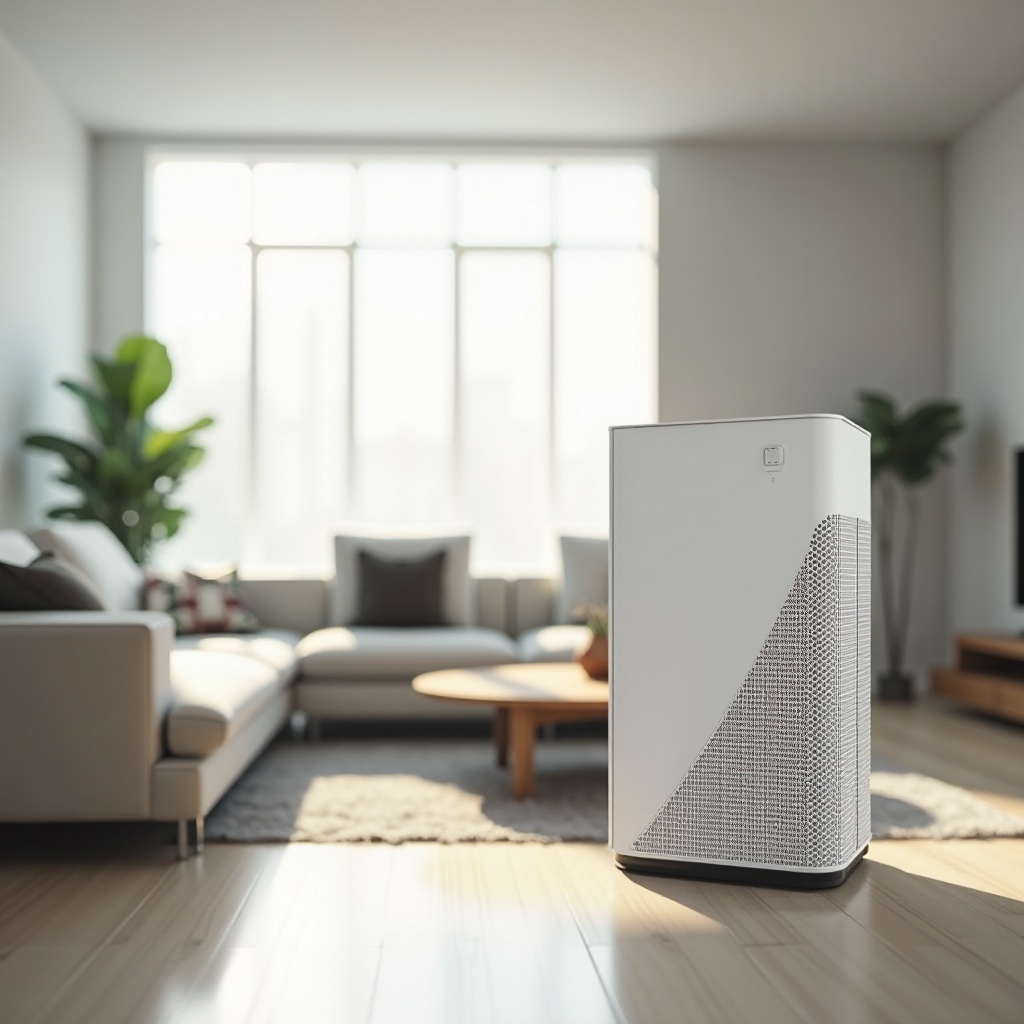
Understanding Air Purifiers with Air Quality Monitors
Air purifiers effectively capture and eliminate pollutants, enhancing the air you breathe. Integrating an air quality monitor elevates this functionality by offering real-time data on air pollution levels, thereby allowing smarter air management.
The Functionality of Air Purifiers
Air purifiers draw indoor air through advanced filters, which trap contaminants before recirculating purified air. Depending on the model, filters may include HEPA for fine particles, activated carbon for odors, and UV light to kill germs.
Role of Air Quality Monitors
Air quality monitors measure indoor air chemistry, including particulate matter, CO2, and volatile organic compounds (VOCs). Real-time data guides the air purifier to fine-tune its cleaning processes, ensuring a pollution-free environment.
Mastering the monitoring data from air quality monitors empowers homeowners to make informed choices about air purification settings for optimal results, leading to the next key section.
Benefits of Air Purifiers with Air Quality Monitors
Embracing an air purification system with monitoring capabilities offers myriad benefits, from health improvements to smart home synergy.
Enhanced Air Quality Control
With continuous monitoring, these air purifiers adjust filtration automatically, optimizing performance to handle dynamic pollution levels. This ensures consistently clean air indoors.
Health Benefits of Cleaner Air
Cleaner indoor air significantly reduces health risks associated with dust, allergens, and airborne pathogens. This is particularly beneficial for individuals with asthma or allergies, offering respiratory relief and promoting better health outcomes overall.
Energy Efficiency and Smart Technology
Today’s air purifiers are engineered for energy efficiency, minimizing power consumption. They integrate smoothly with home automation platforms, granting users remote access and control via apps, or even voice commands through smart assistants.
Smart tech applications lead us to an essential topic: choosing the right device for your home setup.
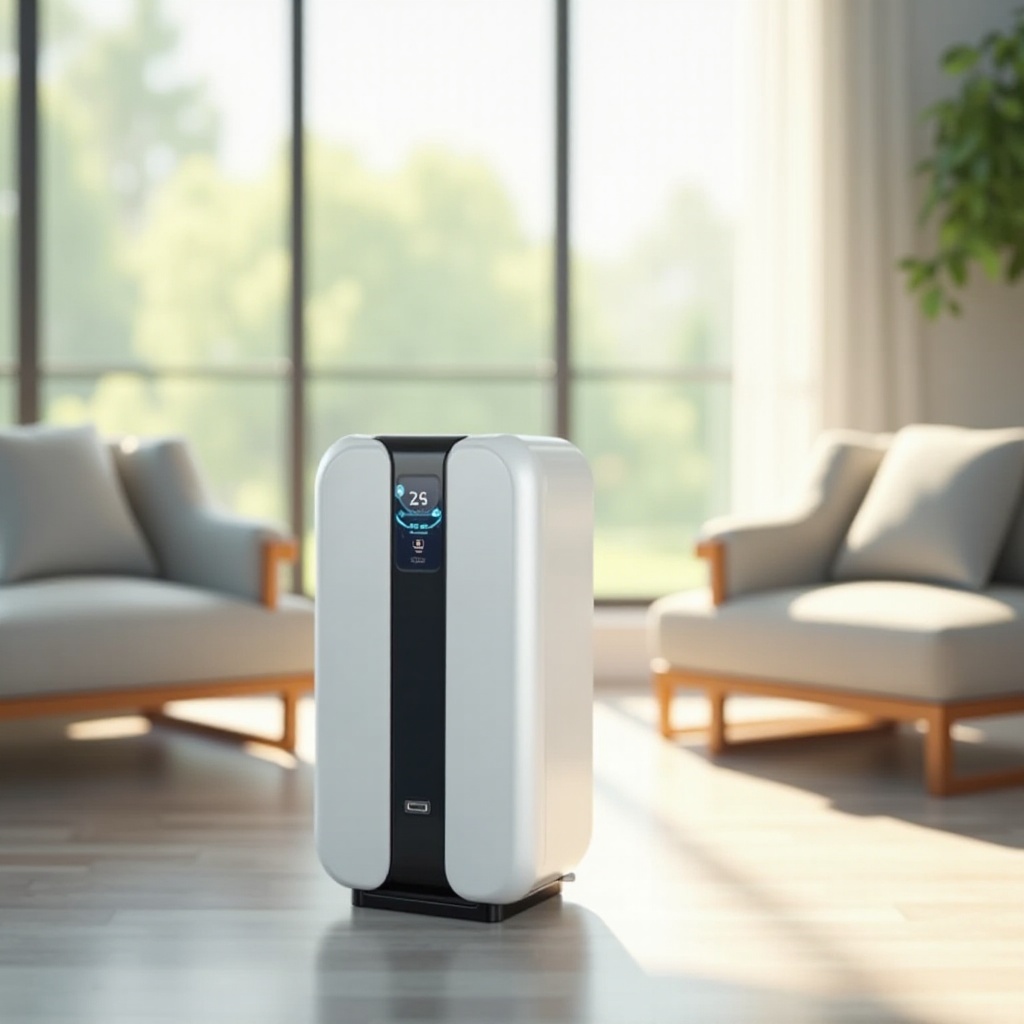
Choosing the Right Air Purifier for Your Smart Home
Selecting the right air purifier involves evaluating various factors like area coverage, features, and compatibility.
Key Features to Look For
- Filter Types: Confirm the use of effective HEPA filters for fine dust and activated carbon for removing odors.
- Coverage Area: Ensure the model can adequately service the size of your desired space.
- Noise Level: Opt for models with silent operation if noise is a concern.
- Smart Features: Seek Wi-Fi enabled devices that pair with existing smart home systems.
Top Brands and Models of 2024
Prominent options include the Dyson Pure Cool, known for innovative design and efficiency, Coway Airmega with its comprehensive air quality monitoring, and the LEVOIT Smart Purifier, praised for seamless smart integrations.
Selecting the right purifier feeds directly into ease and effectiveness in integration with your smart home.
Integrating Air Purifiers with Your Smart Home System
Effective integration with your home system maximizes control over your indoor air environment.
Connectivity with IoT Devices
Wi-Fi enabled purifiers engage with your Internet of Things (IoT) system, offering centralized control and monitoring capabilities.
Using Mobile Apps and Voice Control
Leverage mobile apps for instant alerts and adjustments. Enhance convenience through voice command features on platforms like Alexa and Google Assistant, managing your purifier hands-free.
With an optimal setup in place, attention pivots to maintaining these systems.
Maintenance and Best Practices
Routine maintenance is vital for sustaining air purifier performance and longevity.
Regular Cleaning and Upkeep
- Filter Replacement: Swap out filters every 6–12 months as per usage and manufacturer instructions.
- Scheduled Cleaning: Regularly cleanse exterior surfaces and pre-filters to prevent buildup and maintain airflow.
Troubleshooting Common Issues
Address deviations in operation, such as unexpected noise or diminished air quality, by performing system checks guided by your device’s user manual.
Conclusion
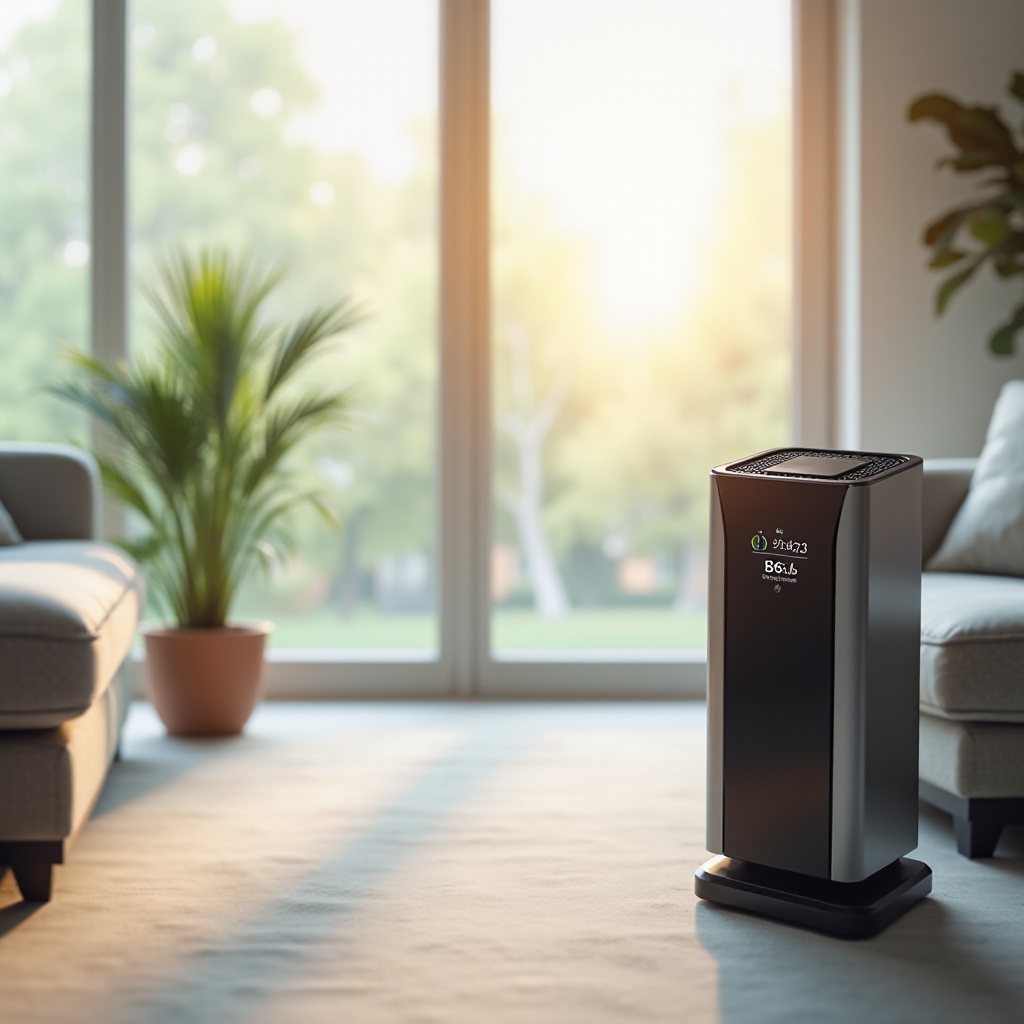
Installing an air purifier with an air quality monitor transforms indoor environments, combining health benefits with smart home convenience. These systems ensure you breathe easy, marrying technology and practicality for a cleaner, healthier living space.
Frequently Asked Questions
How often should I replace the filter in my air purifier?
Most filters need replacing every 6 to 12 months, depending on usage and specific model guidance.
Can an air purifier with an air quality monitor help with allergies?
Yes, by removing dust, pollen, and other allergens, these purifiers help mitigate allergy symptoms effectively.
Are air purifiers with air quality monitors energy efficient?
Modern models are designed for superior energy efficiency, especially when integrated with smart home systems.