
Introduction
NFC, or Near Field Communication, is turning smartphones into powerful tools for everyday convenience. This short-range wireless technology allows devices to exchange data just by being close together, making functions like contactless payments and data sharing more accessible than ever before. By understanding NFC, users can unlock their phone’s full potential, streamlining daily tasks and enhancing communication.
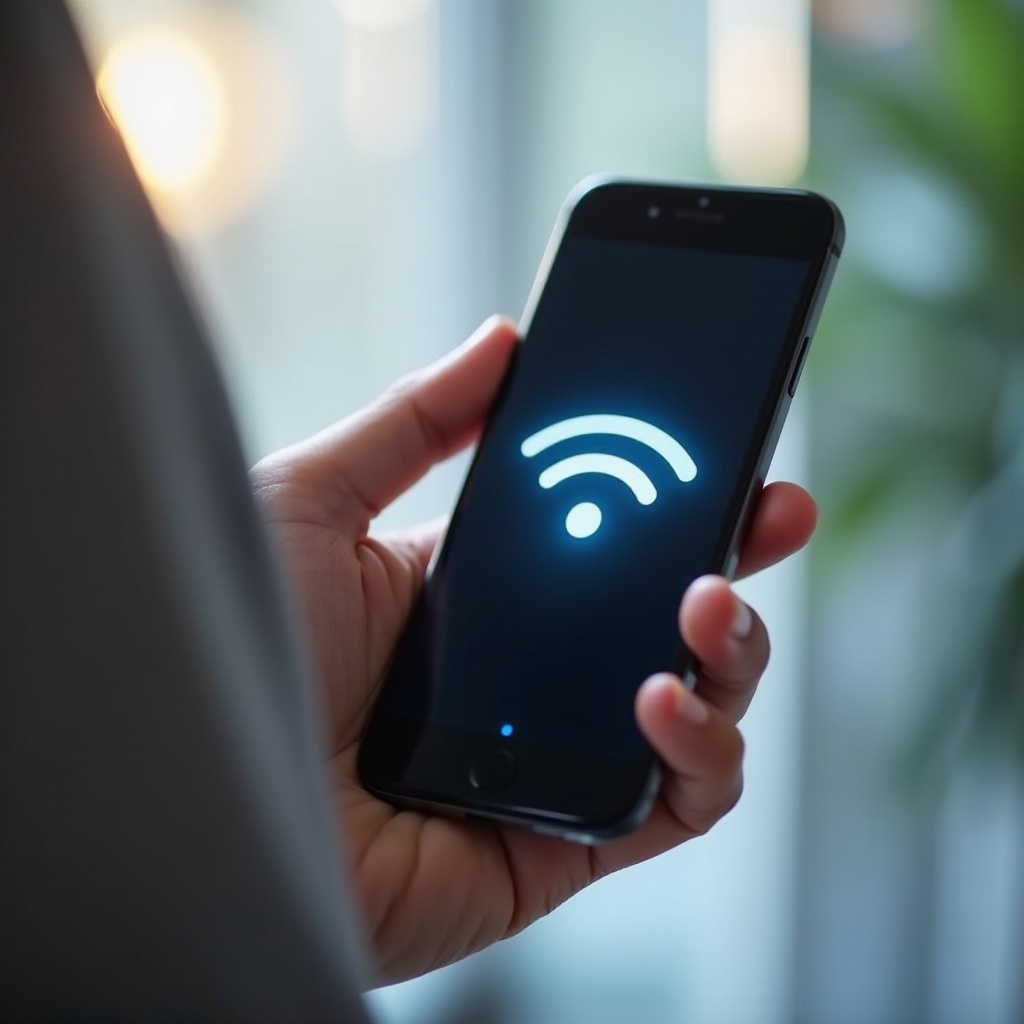
What is NFC?
Grasping the full concept of NFC helps in understanding how it enhances phone functionalities. At its core, NFC is a branch of RFID technology, facilitating secure, short-range communication between electronic devices. Devices involved must be close, typically just centimeters apart, to communicate effectively. The process works through electromagnetic induction, where one device, often a smartphone, connects with another device or an NFC tag to exchange data. This simple yet effective method enables a wide array of applications, from secure payments to automated tasks, offering convenience at a touch.
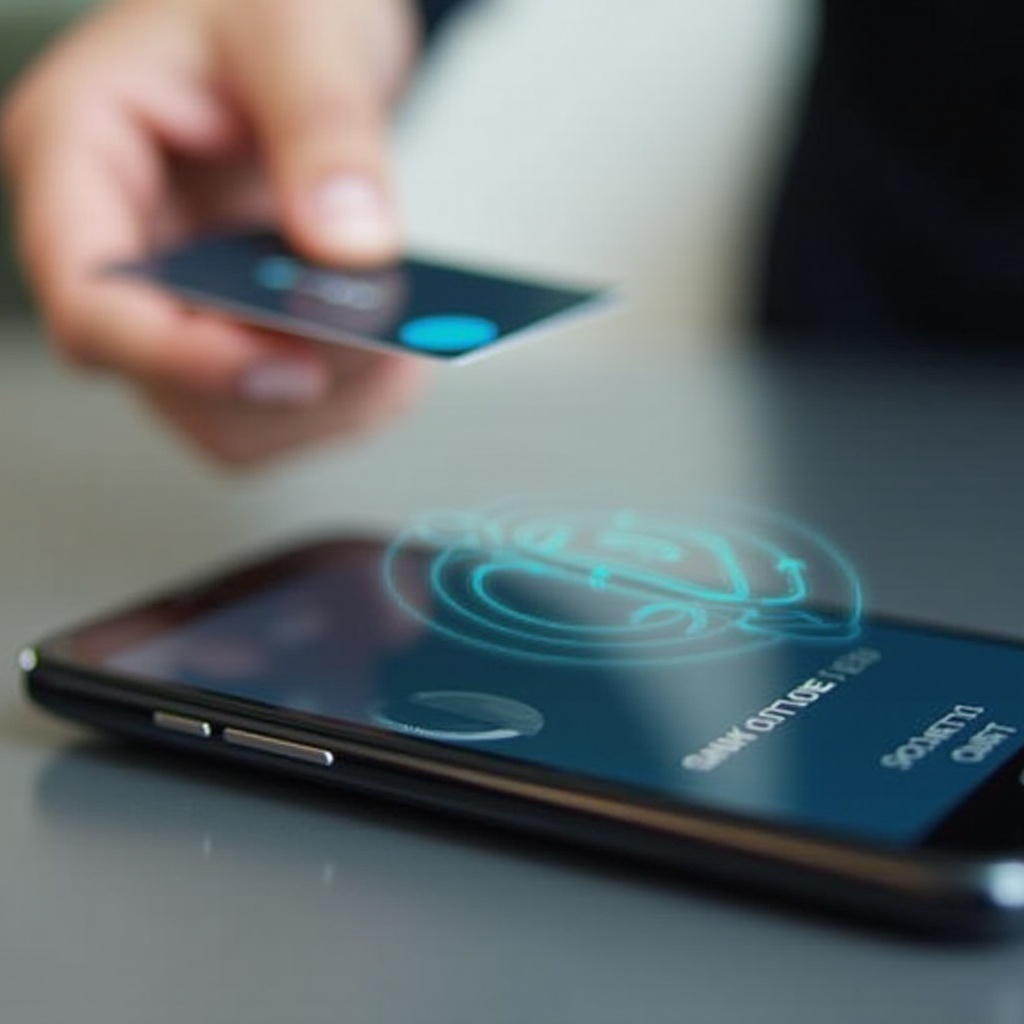
Setting Up NFC on Your Smartphone
Once you understand NFC’s capabilities, setting it up on your device ensures you’re ready to use this technology for seamless interactions:
– For Android Devices:
1. Go to ‘Settings.
2. Select ‘Connected Devices’ or ‘Connections.
3. Find ‘NFC’ and toggle it on.
– For iOS Devices:
1. iPhones with NFC have it enabled by default.
2. Use apps such as Apple Wallet to take advantage of NFC features.
Without this setup, you won’t be able to experience the full range of conveniences NFC offers, so make sure your device is prepared to connect and interact with other NFC-enabled gadgets.
Practical Applications of NFC
NFC technology translates into practical use-cases that enhance everyday convenience significantly:
– Mobile Payments and Digital Wallets: NFC technology makes payment through platforms like Google Pay and Apple Pay secure and effortless. You just need to place your phone near a payment terminal, eliminating the need for cards or cash.
– Sharing Contacts and Media: Share contacts, photos, or files between NFC-capable devices quickly, without the hassle of pairing or needing network connections.
– Using NFC Tags for Automation: Program NFC tags to execute specific actions on your phone, such as changing settings, launching apps, or even setting reminders.
With these practical uses, NFC becomes a tool, not just a feature, enhancing productivity and ease-of-use in daily life.

Advantages and Limitations of NFC Technology
Every technology has its strengths and weaknesses, and NFC is no different:
Advantages:
– Speed and Convenience: NFC enables fast, seamless transactions and connections, significantly quicker than pairing devices via Bluetooth.
– Security: The short-range required for NFC transactions adds a layer of security, making it less susceptible to interception and thus safeguarding your data.
Limitations:
– Limited Range: NFC works over very short distances, typically just a few centimeters, which works both as a security feature and a limitation.
– Compatibility: Although more devices are adopting this technology, not all systems are compatible with NFC, creating occasional barriers to application.
Despite these limitations, the speed, convenience, and security advantages make NFC a preferred technology for many users, simplifying transactions and device interactions.
The Future of NFC in Smartphones
Looking forward, NFC holds promise for an evolving role in mobile technology:
– Emerging Trends: NFC is expected to become even more integral in smart environments, finding its way into public transportation systems, entrance access controls, and more.
– Predictions for 2024 and Beyond: We anticipate broader integration with emerging technologies like augmented reality (AR) and the Internet of Things (IoT), creating more interconnectivity and functionality.
The ongoing development of NFC ensures it will remain a core technology in smartphones, continually expanding its applications and becoming an even more crucial part of our tech landscape.
Conclusion
NFC is essential in the way our smartphones interact with the world around us, transforming mobile tech into a versatile daily tool. Its applications range from secure, contactless payments to seamless data sharing, making it an invaluable feature. As this technology develops, embracing NFC can lead to even more efficient and secure ways of completing everyday tasks, highlighting its importance in the evolution of mobile technology.
Frequently Asked Questions
How secure is NFC technology on smartphones?
NFC technology offers security mainly due to its short range, minimizing interception risks. Additionally, encryption further protects transactions.
Can I use NFC for payments without an internet connection?
Yes, NFC allows for offline transactions as it uses radio wave interactions. However, certain apps may require internet for full functionality updates.
Are all smartphones equipped with NFC capabilities?
Not all smartphones have NFC. While most modern devices include NFC, some budget models do not, so it’s important to check your phone’s specifications.